
A child with special educational needs who has not been to school for two years now faces a daily two-hour round taxi journey at a cost of £12,000 a year to the council, a councillor has said.
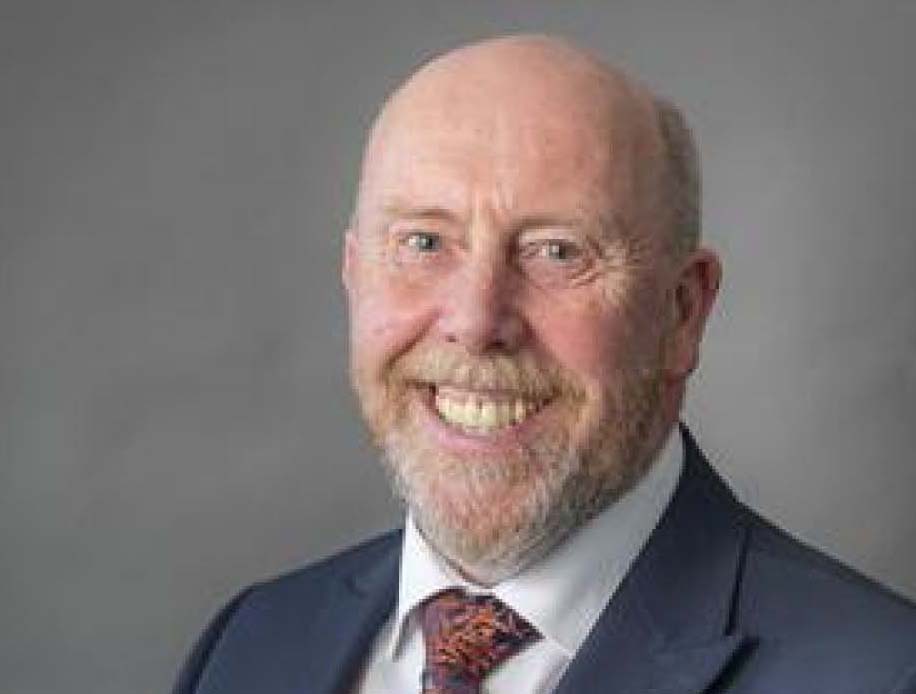
Coun Reg Kain, who represents Alsager, said he had been trying to help a family in his ward but had been “stonewalled” by the council after it refused to send the child to a private school closer to home.
Speaking at a meeting of Alsager Town Council, he said: “I’m dealing with a case where a child hasn’t been in school for nearly two years because of SEN issues.
“It seems that the parents involved in this have actually identified a school that works for their child, but because it’s private, Cheshire East won’t fund it.
“But it seems Cheshire East is quite happy to fund £12,000 for a taxi for this child to go out of the area and spend two hours a day travelling which, if you know anything about SEND children, is too much and too long.”
Coun Kain said: “I’m not having a lot of luck with this case. I’m trying to talk to the people who are organising this, but I’m getting stonewalled.”
As well as DBS checked drivers, which is a requirement for transporting children, those with special educational needs and disabilities often also require specialised vehicles, training for drivers and trained passenger assistants.
According to statutory guidelines by the Department for Education provided to local authorities, children receiving free home-to-school transport should have a maximum journey time of 45 minutes at primary school age and 75 minutes for those of secondary school age.
The latest guidance, updated in May 2026, said: “There will be circumstances in which this is not possible, for example in rural areas where children live in remote locations, where a child needs to travel a long way to the school named in their education health care plan, or when journey times are extended by traffic delays.
“Travel arrangements for children with special educational needs, disability or mobility problems can be particularly complex to make. Shorter journeys may be particularly desirable, perhaps because a child’s special educational needs or disability mean they become distressed while travelling, but a child may need to travel a long way to the school that is able to meet their needs, and one vehicle may need to collect several children.”
Where long journeys were unavoidable, it said local authorities should consider if measures could be taken to minimise the negative impacts for the child and keep them calm if it caused distress.
We reported in 2021 that Cheshire East Council spent nearly quarter of a million pounds a week on taxis taking children to and from school.
Figures obtained through a freedom of information request for the Local Democracy Reporting Service revealed that the council paid for 887 children to go to school by taxi at an approximate cost of £231,959.67 a week.
Of these 887 children, 320 travelled outside the borough for schooling at an approximate cost of £103,513.46 per week.
Cheshire East Council was asked to comment. In 2021, the then lead member for children and families at Cheshire East, Coun Kathryn Flavell, said: “We are required by law to make travel arrangements for certain children to attend school.
“When a child is eligible for school transport, our aim is to provide travel support that reflects the needs of the children and young people but also is the most cost-effective option available.
“Increased demand for school transport, in particular for children with special educational needs and disabilities, together with a reduction in the number of providers and the cost of fuel have all put pressure on our transport budget.”
Since 2021, the council has encouraged new special schools to open within its borders. A new school opened at Arclid last year and the council’s former offices in Sandbach are to become a special school.