
East Cheshire Hospice ended the financial year in a stronger position, reporting a £431,180 surplus after a £19,422 deficit the previous year.
The hospice’s new Congleton shop generated nearly £350,000, its latest annual report said.
The hospice’s annual report for the year to 2026 said it had recorded a small net operating deficit of £73,970 against a £1,848 surplus the year, before but achieved a surplus after stock market gains – offset by losses on the market value of the hospice’s investment fund.
The hospice said income generation finished the year “very strongly”, delivering £4.9 million, £595,000 ahead of budget and £1.2 million more than the previous year.
The net contribution to the hospice was £3.6 million, up £653,000 on budget and £985,000 year-on-year.
The report said that the hospice’s retail operations continued to grow. A new shop had opened in Knutsford — a former gym purchased as an investment and renovated before opening — and this generated more than £200,000 in its first year.
The new shop in Congleton, at the West Heath shopping centre, reported income of £343,000.
Across all six shops, retail income totalled £1.2 million with a £566,000 net contribution.
The hospice also reported success using charity shop influencers on Instagram and TikTok for both paid and unpaid promotions.
Fundraising brought in £3.5 million, £597,000 above budget and £747,000 ahead of the previous year, with several income lines outperforming expectations despite a “challenging” fundraising climate.
Total expenditure rose to £8.68 million, up £846,101 (11%) on the previous year, following increases of 12% and 8% in the two preceding years.
The hospice said the rise reflected continued expansion of services including Hospice@Home, the community dementia outreach and the Palliative Advice Centre for East Cheshire (PACE), alongside inflationary wage pressures.
Staffing remained the largest cost at £6.56 million, an increase of £843,830. The hospice maintained parity with NHS pay scales, 3.6% in the year following a 5.5% rise the previous year.
Around a third of the increase was due to inflation, with the remainder linked to additional staff for Hospice@Home and PACE. Recruitment difficulties meant both services continued to operate with vacancies.
NHS integrated care board funding increased by £14,000, compared with £260,000 in pay inflation alone, placing further pressure on fundraised income.
The board said it expected costs to stabilise once new services were fully staffed.
The summer bed appeal raised over £144,500, exceeding the £95,650 target and allowing the hospice to upgrade all 16 therapeutic medical beds. The old beds were donated to Ukraine.
The hospice’s annual Christmas tree collection raised £167,000, with nearly 8,000 trees collected across local communities.
Challenge events saw a 37% rise in income, from £89,000 to £122,000. A highlight was the Snowdon at Night climb, where 40 supporters raised £33,000.
“What Women Want”, a long-standing fundraising group, celebrated raising £500,000 over 15 years, supporting Hospice@Home cars, equipment, shop vehicles and patient spaces.
The hospice said it continued to provide specialist palliative and end-of-life care free of charge to adults across a catchment of around 200,000 people, covering Congleton, Macclesfield and Knutsford, as well as Handforth, High Legh, High Peak, Poynton, Wilmslow and surrounding villages.
The Hospice @Home — palliative care delivered at home – supporting over 250 patients, a 25% increase on the previous year.
Dementia support expanded, strengthening integration with the Cheshire East Dementia Strategy.
“Significant” upgrades were completed across the hospice estate, including refurbishment of the multi-faith chapel, two four-bed wards, a multidisciplinary liaison room and a new clinical skills training lab. Air conditioning was installed in clinical offices, plumbing systems were improved, and new beds and air mattresses were delivered following the bed appeal.
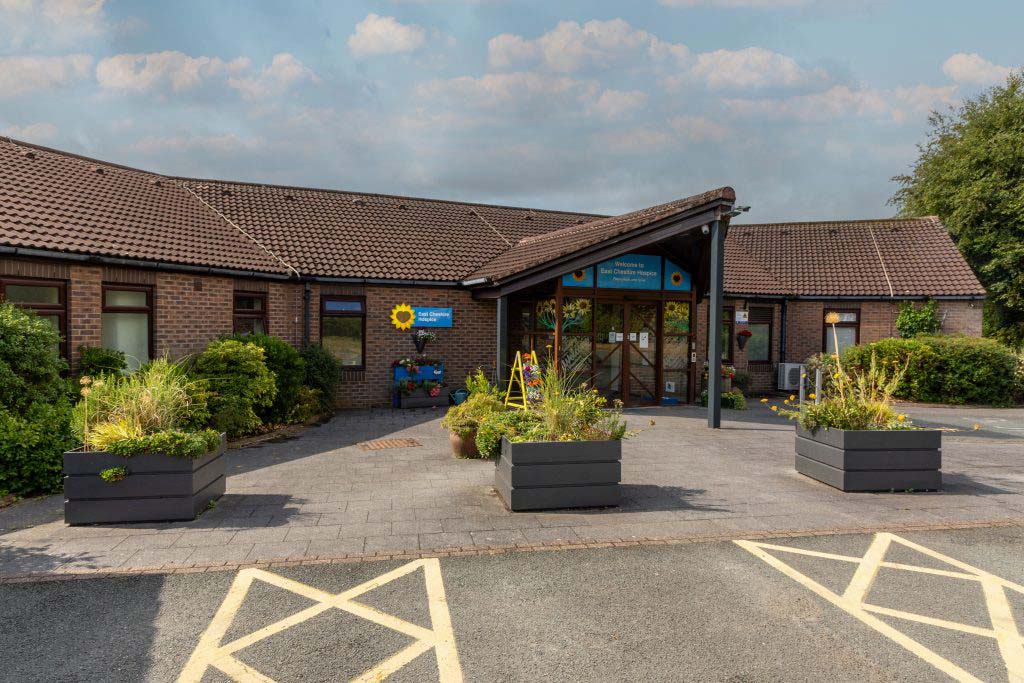
The main reception area was redesigned to create a more welcoming environment with a private refreshment space for families. Two new Hospice@Home vehicles — one electric, one hybrid — were introduced.
Planning is under way for further upgrades to catering, staff changing and breakout areas, scheduled for 2027. A preventative maintenance programme and increased use of technology have been introduced to improve efficiency and sustainability.
A digital hub for adult bereavement support is being considered, the report said, including live-streamed groups, online memorial spaces, psycho-educational resources and digital assessment tools.
Plans include expanding pre- and post-bereavement support for families affected by dementia and reviewing children’s bereavement services against national best practice.
Adult bereavement capacity will increase through volunteer-supported group work, counselling student placements and specialist therapists for complex cases. Family sessions for children experiencing loss will expand, alongside greater access to art psychotherapy and enhanced services within the Sunflower Living Well Centre.