

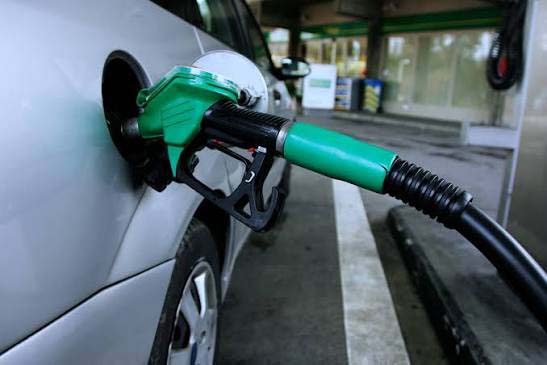
As petrol and diesel prices hit an all-time high, coach companies across the area have described having to “suck up” the extra costs to avoid disappointing their customers.
Diesel prices peaked at 199.18p per litre this week, according to the motoring organisation RAC, as the war in the Middle East and the war in Ukraine continued to push up the cost of fuel.
Petrol prices were also still rising, with a litre currently costing 174.13p.
Steve Haydon, who has owned Hollinshead’s Coaches based in Biddulph for 40 years, said pressure on his business was “the worst it’s ever been”.
“It has affected us badly,” he said.
“We can’t really approach the schools and colleges that we have fixed contracts with and ask them for more money, they are struggling themselves. We just have to suck it up.”
He explained that holiday trips abroad needed to be priced a year in advance.
“We’ve just had a trip to Austria, which was 2,000 miles, and I reckon it’s cost us £600 more in diesel than how we priced it a year ago,” he said.
“We could never have foreseen how things would go.”
The war in Iran has severely disrupted the production and transportation of oil across the region over the last seven months, causing the price of fuels made from oil to surge.
An RAC spokesperson said diesel prices had entered “uncharted territory” and served as a reminder of “just how exposed” the UK was to events occurring far away.
The cost of diesel has now risen by 59p a litre, or just under 40%, since the conflict between the USA and Iran erupted at the end of February. The previous record was 199.09p in June 2022, during the energy market shock in the aftermath of Russia’s invasion of Ukraine.
The increase means the cost of filling an average family car with diesel is now £110, £31 more than at the start of the conflict.
Petrol prices are now 41p per litre more than at the start of the conflict, but still well below a 2022 peak.
While Mr Haydon said he would usually re-invest profits back into his business, this year new equipment and training may need to be put on hold.
He said: “Our new holiday brochure comes out on 29th October and one of the biggest issues we’re having is how to price fuel.
“People will already be paying more because of the cost-of-living rises, it affects everyone every time they go to the pumps.”
Mark Bostock, of Bostock’s Coaches in Congleton, said he had been trying to manage pricing for fuel on a week-to-week basis.
He said: “I don’t recall there ever being such an issue with fuel as there is now,” he said.
“It’s one of the things that we monitor very carefully, because fuel makes up between a quarter and a third of our operating costs.
“We’re feeling it big time. In private hire work we can reflect the cost of fuel on an individual basis, but when we have schools asking us for trips next year, we’re having to warn them that we can only quote subject to any fuel price shocks.”
Mr Bostock said he kept an eye on the news in the hope that things would change.
“There doesn’t seem to be any sign of things getting better at the moment,” he said.
“I had hoped when things started spiking in April/May that it would be a temporary thing and it would return to some sort of normality, but it’s beginning to look like this might be the new normal.”
Prices jumped recently after US President Donald Trump voiced support for a potential ban on US diesel exports, which would leave net importers like the UK and other European nations scrambling for alternatives.
The UK has four working oil refineries with a combined crude processing capacity of a million barrels per day, down from 1.27 million barrels across six plants in 2024.
Diesel imports made up nearly 40% of the UK’s total imports of oil products in 2025, according to the “Digest of UK Energy Statistics”.
The UK imports nearly 55% of the diesel it consumes.
It generally produces more petrol than it needs and exports the surplus but UK refineries do not produce enough diesel to meet domestic demand.