

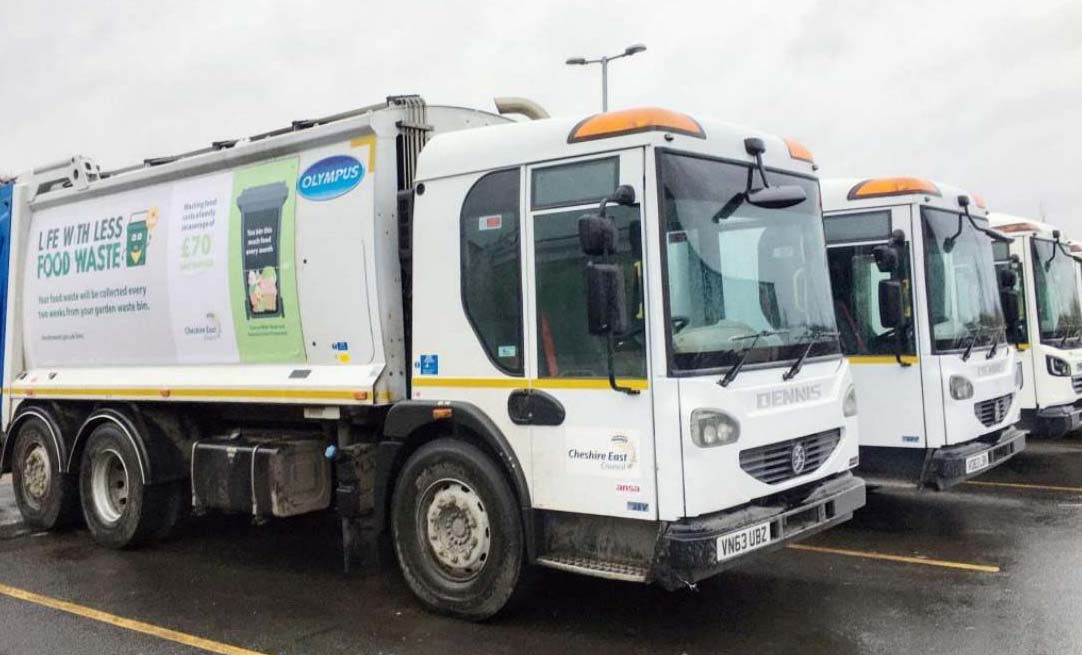
Ansa Environmental Services delivered strong operational performance and a stable financial results – even as it prepared for its own demise, its annual report has said.
Ansa, which began trading in April 2014 following the transfer of environmental services from Cheshire East Council, entered its 11th year facing an altered future after a council review opted to return all its services back into council control.
Despite this shift, Ansa delivered a year of solid performance. The company recorded a profit of £259,000, more than doubling the previous year’s £107,000.
Operating profit rose to £443,000, driven by improved conditions in waste disposal contracts, lower fuel prices and a recovery in recycling income.
Turnover increased to £54.7 million, up from £50.5 million, largely due to a £4.3 million uplift in its management fee to cover inflationary pressures, higher waste tonnages and other external cost drivers.
Commercial activities saw income rising by £0.9m.
The total average number of employees was 508, of whom 466 were operational and 42 were management/admin.
The report said that, operationally, the year was shaped by national and global pressures. High inflation, supply chain disruption, skills shortages and the wider economic slowdown all affected service delivery.
Ansa adopted what it described as an “agile approach” to emerging risks, working closely with clients and suppliers to mitigate impacts.
In April 2023 Ansa re-let its material recovery facility contract, which had “a noticeable change” in both costs and projected income levels, linked to factors such as energy costs, cost of living crisis and economic downturn.
The company said it continued to invest in training and development, including progressing waste loaders into HGV drivers and supporting apprenticeships across engineering and business administration.
Legislative change also shaped the year. the Government’s Simpler Recycling proposals, linked to the Environment Act 2021, required “significant planning” around fleet, depots and operational processes. Ansa prepared to offer trade food waste collections and sourced fleet in readiness for law change.
Ansa continued to trial lower-emission vehicles, fit eco-devices to refuse collection vehicles and work with the council on fleet electrification.
The company maintained its commitment to reducing landfill use, with less than 1% of residual waste sent to landfill.
Ansa said it had been working with Cheshire East to electrify the wider fleet on a phased basis as funds and operational requirements, including range, allowed. The latest area to benefit from this was part of the street cleansing and parks and grounds light commercial fleet.